
By Sean Bothwell
May 19, 2026
Imagine turning on your tap and not being sure it’s safe to drink what comes out.
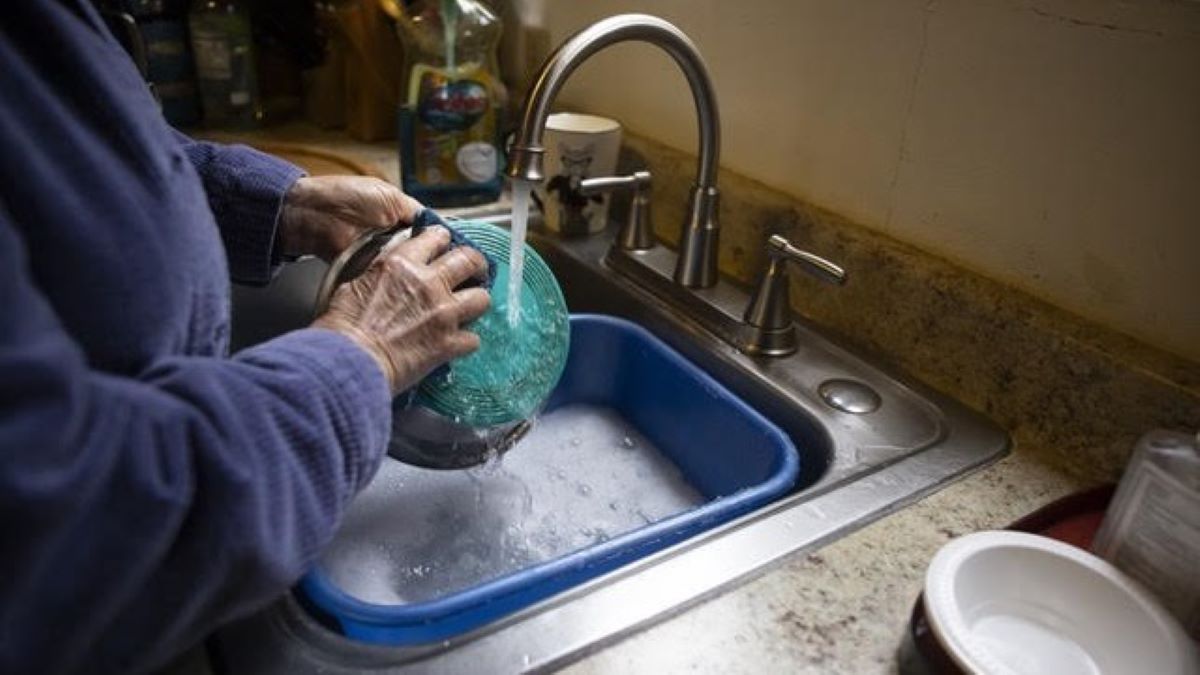
For one million Californians, this scenario is not hypothetical. In disadvantaged communities, including some in the Central Valley, families have been told for years to boil their tap water for safety or buy bottled water they cannot afford.
Their water systems consistently fail to meet safe drinking water standards. Yet no meaningful action has been taken to fix this known problem. Meanwhile, 30,000 miles of the state’s coastlines, lakes and rivers fail basic water quality standards.
How does a state at the forefront of environmental leadership fail to ensure clean, reliable water for its people?
The short answer: California is managing 21st century water challenges with 20th century technology under 19th century law. And state leaders, including Gov. Gavin Newsom, continue promoting infrastructure projects designed for precipitation patterns that climate change is already erasing.
This year’s rapid snowpack loss is not an anomaly; it is a preview. Yet the state keeps pushing large-scale projects which can’t deliver water to farms or families without a reliable Sierra snowmelt. Instead of more dams and diversions, we need to shift attention and resources to a local approach rooted in our new reality.
California Coastkeeper Alliance’s Blueprint to Climate-Ready Water Policy is a practical guide for state policymakers, regulators and the next governor to set a course for a more resilient and sustainable water future. The blueprint is built on several clear imperatives.
Prioritize resilient local water supplies
Instead of spending tens of billions moving water around the state, California must prioritize investment in wastewater recycling, stormwater capture and water efficiency. These systems deliver water regardless of how long the snowpack sticks around.
These types of systems are proven, scalable and drought proof. The payoff extends beyond reliability: California’s water sector consumes 19% of the state’s electricity and 30% of its natural gas, driven largely by importing water into urban centers from faraway places. Prioritizing local water supplies reduces water insecurity in a cost-effective and affordable way, while cutting the emissions that accelerate climate change.
Strengthen and enforce water laws
The Trump administration’s rollbacks of the Clean Water Act have steadily eroded protections Californians have relied on since the 1970s. The most damaging change stripped federal protections from millions of acres of wetlands and thousands of miles of seasonal streams, leaving them open to pollution and development. In response, the state must fortify its own standards.